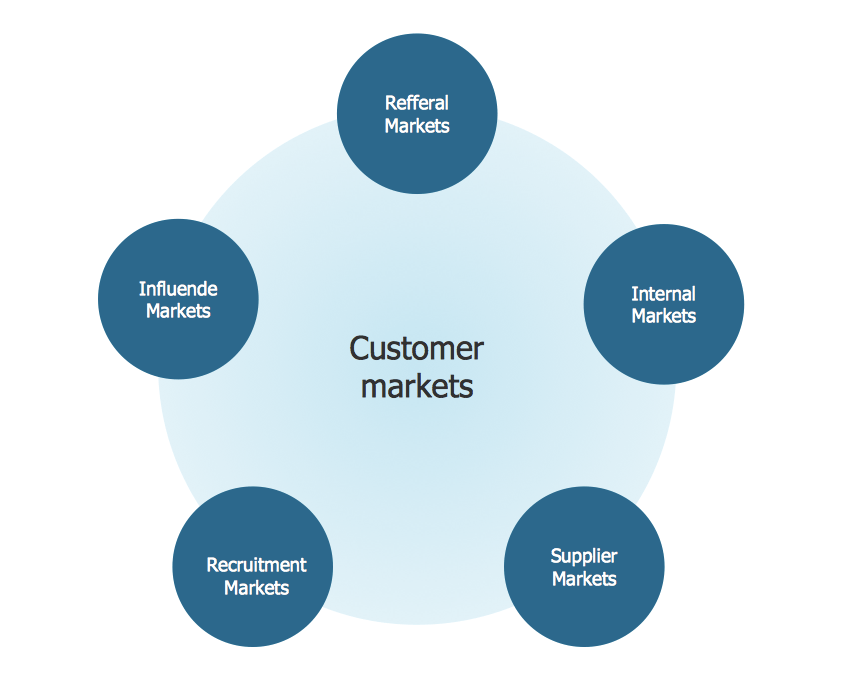
| We have identified some critical success factors of Neue Schule. The first factor is that the brand makes good profits, due to their product range appealing to a more high-end and expensive market which reflects the quality of the products. The high-quality products are proven to have a better performance than cheaper substitutes, and therefore the consumers would be more likely to trust the brand and continue buying from them [Martin Christopher, Adrian Payne and David Ballantyne Taylor and Francis. Relationship Marketing: Creating Stakeholder Value: 2002]. This would build their reputation and customer loyalty and could result in better profits. Neue Schule would then be able to invest more money in other products, as well as branch out as a brand, which would allow for a better product portfolio; the revenue would not just come from the bits but from additional products also. As a result, if the bits become unpopular, they would have other products to fall back on, and this could only further their success as a brand. Payne and Holt’s (2001) Six Market Model (pictured below) provides an explanation to Neue Schule’s critical success factors, particularly concerning internal markets [Payne, Adrian, David Ballantyne, and Martin Christopher. ‘The development and use of the Six Markets Model. European Journal of Marketing’ (2005): pages 855-871]. By maintaining a positive relationship with their customers, more people will buy Neue Schule products, and therefore the demand for a wider range of products (branching out from exclusively selling bits) may increase. For example, if their profits from selling bits began to decrease due to competitors, producing another successful range of products from the demands of returning customers – such as bridles – would show versatility and consideration for their customers (which would have positive effects on their customer relationships), as well as benefitting the brand’s profits. Another critical success factor of Neue Schule reflects their success within supplier markets. They are a niche company, and therefore it would be harder for competitors to enter their market as this would act as a barrier. As a result, the potential negative impacts of their competitors would only become a long-term issue, because products of both Neue Schule and their competitors would be time-consuming to manufacture. This would then allow the brand to continue growing their market share and revenue, at a rate that could be faster than any competitors, which would increase their supplier market success. Neue Schule are sponsors of some large equestrian events, such as BETA International, and this gives the brand constant exposure – particularly to international markets, which appeals to international customers. This would increase their consumers at a global rate and could result in the brand overtaking its competitors that otherwise may be only nationally focused [Lindgreen, Adam. ‘Marketing Intelligence & Planning’ (2004): pages 160-186]. Neue Schule maintains continued sponsorships of many well-known riders such as Mark Todd and Nicola Wilson, and the large media following of these riders would influence their followers to buy from the brand due to promotion. This is a critical success factor of influencer and employee markets, because it grows their exposure to other markets and maintains this exposure whilst the sponsorships are continued. |
References:
Lindgreen, Adam. ‘Marketing Intelligence & Planning’ (2004): pages 160-186.
Payne, Adrian, David Ballantyne, and Martin Christopher. ‘The development and use of the Six Markets Model. European Journal of Marketing’ (2005): pages 855-871.
Martin Christopher, Adrian Payne and David Ballantyne Taylor and Francis. Relationship Marketing: Creating Stakeholder Value: 2002.
 KEEPING UP WITH THE GITAS